
Diabetic Foot Ulcer Prevention: Stimulating Capillary Micro-Circulation at Home in India
Clinical Wellness Consultant • Reviewed on 04 Oct 2026

Diabetic peripheral neuropathy and microvascular ischemia put millions of Indians at risk of chronic foot ulcers. Here is the endocrinologist-aligned protocol for safely stimulating capillary blood circulation using gentle pneumatic compression.
India is frequently referred to as the diabetes capital of the world, with over 101 million citizens living with Type 2 diabetes. Among the most feared secondary complications of long-term diabetes is the development of non-healing Diabetic Foot Ulcers (DFUs), which account for over 80% of non-traumatic lower extremity amputations.
The genesis of a diabetic ulcer lies in two interlinked pathophysiological mechanisms: sensory peripheral neuropathy (which causes loss of protective pain sensation) and microvascular endothelial dysfunction (which severely diminishes capillary nutrient and oxygen delivery to distal skin tissue).
The Crucial Distinction: Why Hard Mechanical Rollers are Dangerous for Diabetics
Endocrinologists and diabetic foot podiatrists issue a strict warning: Diabetic patients with moderate to advanced peripheral neuropathy should never use aggressive, hard rotating plastic rollers on their feet. Because loss of sensation prevents them from feeling excessive focal friction, hard rollers can create undetected dermal blisters, which rapidly deteriorate into open, infected ulcers.
The Clinical Solution: Sequential Pneumatic Air Compression
In contrast to mechanical rollers, medical sequential pneumatic air compression boots like the AyuPragya AirPro Leg Recover (AYP-800) provide soft, distributed circumferential air chamber inflation:
- Zero Surface Shear Strain: Soft fabric chambers expand smoothly against the skin without rubbing or concentrated friction points, eliminating the risk of micro-blisters.
- Capillary Vasodilation & Nitric Oxide Synthesis: Rhythmic pneumatic pressure stimulates endothelial cells to synthesize nitric oxide, opening micro-capillary beds in the dermis and delivering freshly oxygenated arterial blood to ischemic tissues.
- Lymphatic Edema Clearance: By pumping accumulated interstitial edema out of swollen ankles and feet, tissue turgor pressure decreases, allowing oxygen to diffuse freely into the skin layers.
Frequently Asked Questions
What pressure setting should a diabetic patient use?
Always use the lowest gentle pressure setting (between 30 mmHg and 60 mmHg). The compression should feel like a soothing, gentle hug, never tight or constricting.
Can someone with an active open diabetic foot sore use a leg massager?
No. If there is an active open wound, ulceration, or skin infection, mechanical massagers are strictly contraindicated until the wound has completely healed under doctor care.
The physiological insights and recommendations provided in this publication are intended for educational and wellness guidance only. They do not constitute formal medical diagnosis or prescription. Individuals diagnosed with deep vein thrombosis (DVT), severe osteopenia, active phlebitis, or pacemakers must obtain clinical clearance from their consulting physician or orthopedic specialist before initiating mechanized percussive or pneumatic therapy.
Clinically Engineered Equipment for this Protocol
 38% OFF
4.8
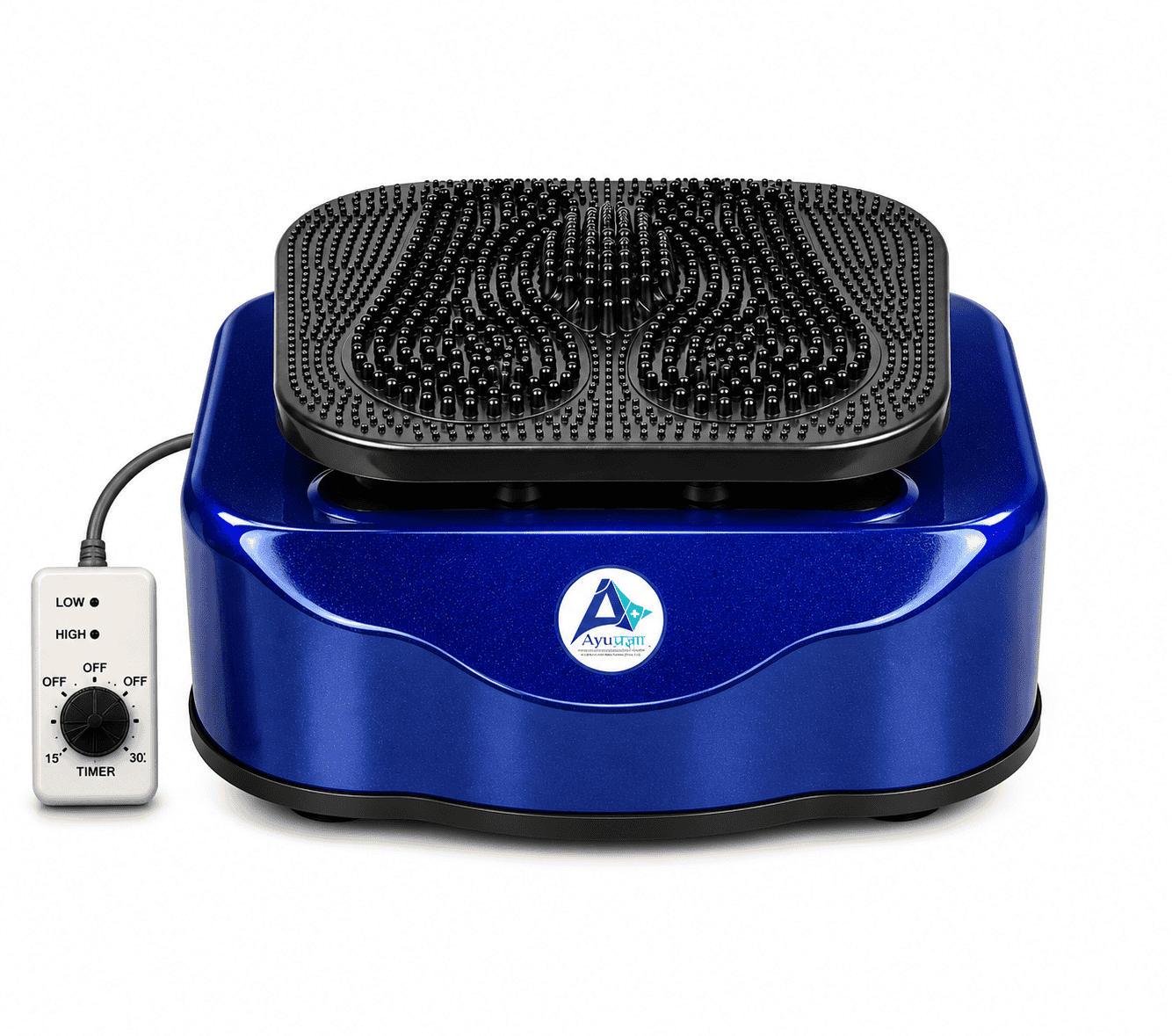
Blood Circulation Machine for Foot Reflexology, Neuropathy and Leg Pain Relief - AyuPragya VibraFlow AYP 620
Official 1-3 Yr Warranty
 45% OFF
4.8
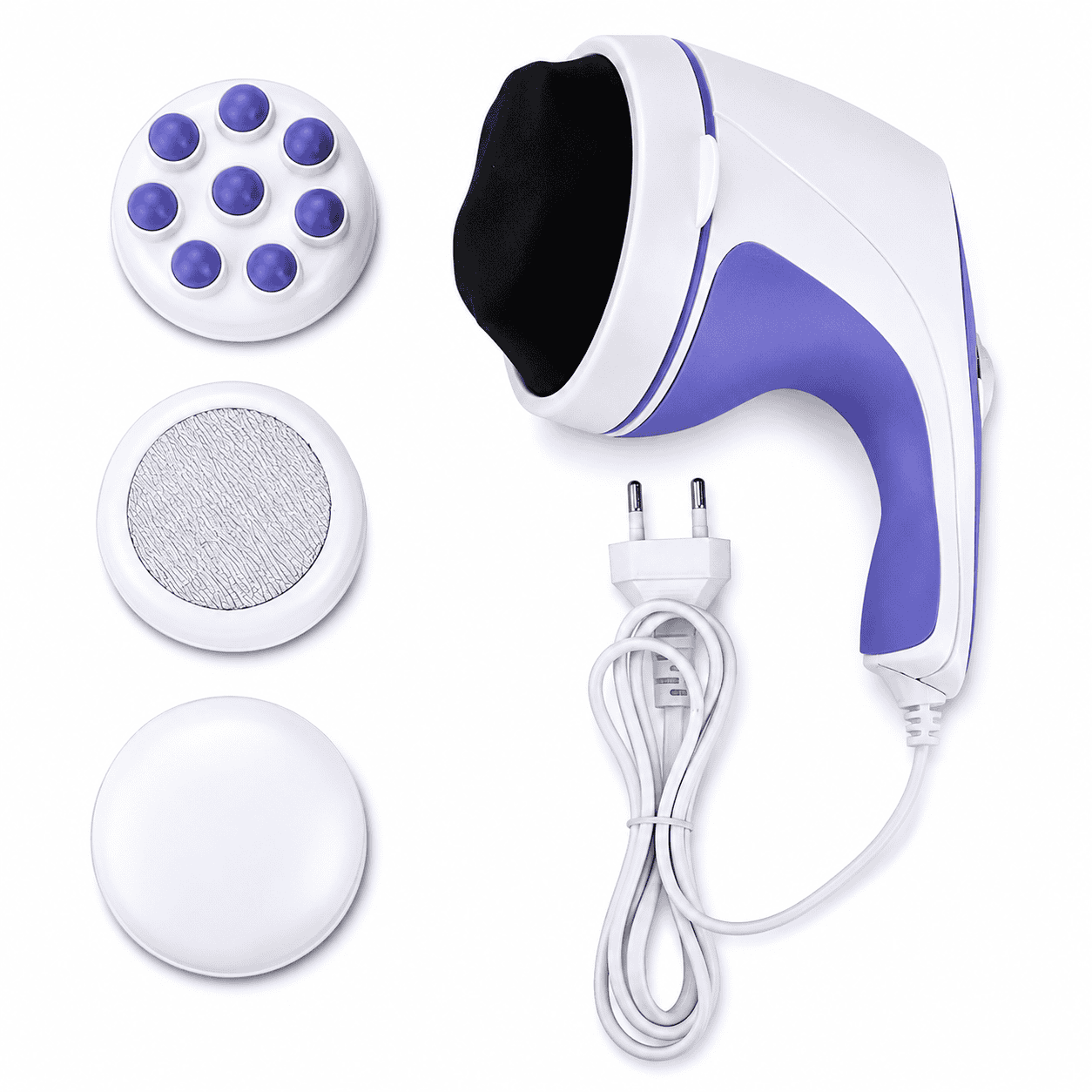
Manipol Massager for Deep Tissue Handheld Body Massage and Fat Burn - AyuPragya Deep Tissue Manipol AYP 760
Official 1-3 Yr Warranty
 37% OFF
4.8
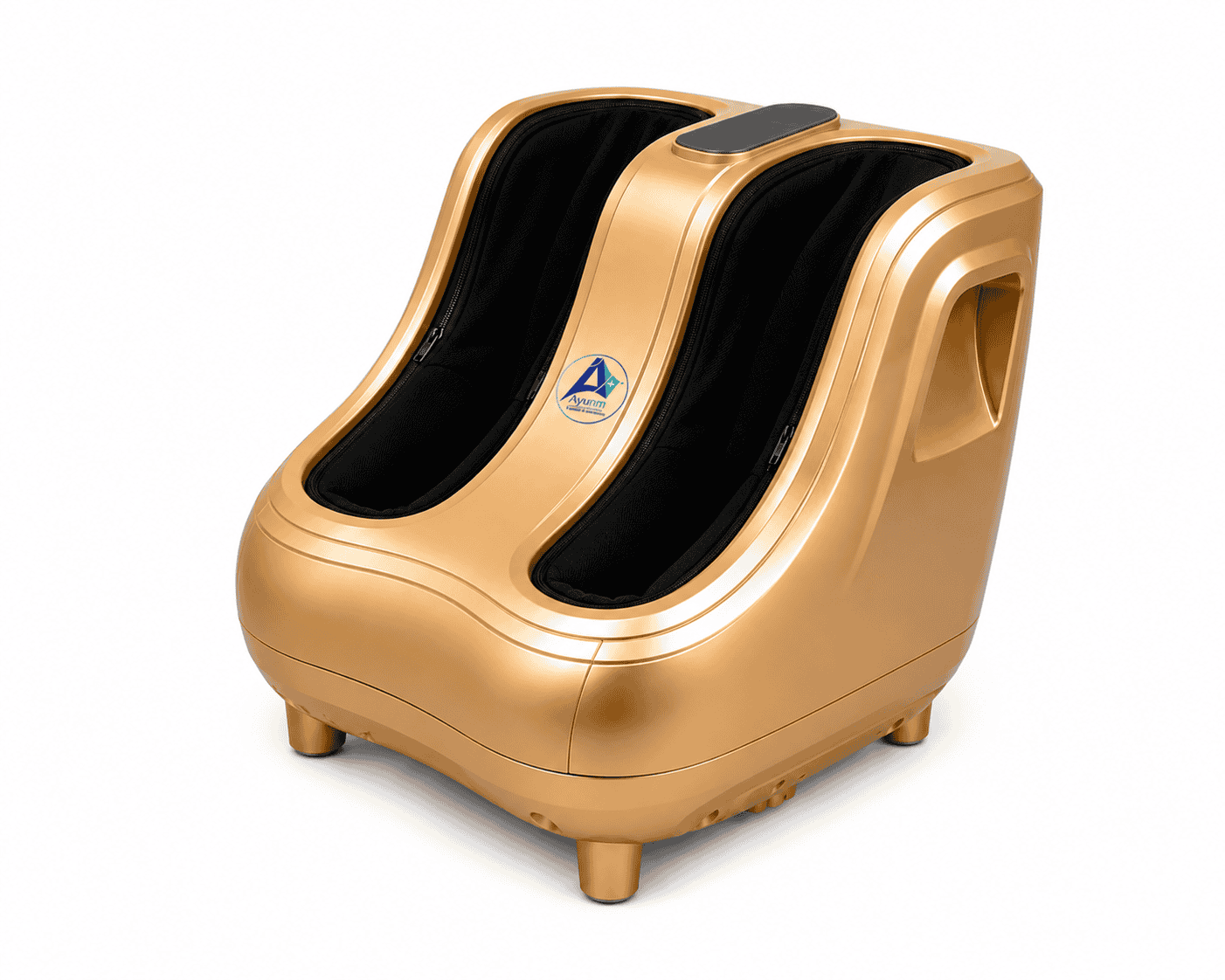
Leg and Foot Massager for Diabetic Neuropathy Pain, Foot Therapy and Blood Circulation - AyuPragya Premium Gold AYP 724
Official 1-3 Yr Warranty
Explore Related Clinical Guides
Experience Pain Relief in Your Living Room
Invest in medical-grade relaxation equipment trusted by over 25,000+ Indian households. Doorstep delivery across 20,000+ pincodes with 0% EMI and free live video demonstration.