
Night Calf Muscle Cramps & Charley Horses: How Pneumatic Heat Therapy Prevents Nocturnal Spasms
Clinical Wellness Consultant • Reviewed on 04 Oct 2026

Nocturnal leg cramps affect over 40% of Indian adults aged 50 and above. Understand the physiological trigger behind sudden gastrocnemius muscle tetany and how bedtime heated pneumatic air compression prevents nocturnal spasms.
Few nighttime experiences are as startling and agonizing as a sudden nocturnal calf muscle cramp—commonly called a charley horse. You awaken from deep sleep with the gastrocnemius muscle locked in violent, involuntary tetanic contraction, leaving residual muscle soreness that lingers for days.
While occasional cramps stem from dehydration or electrolyte deficiencies (low magnesium, potassium, or calcium), chronic nocturnal cramps are primarily driven by nocturnal peripheral hypoperfusion and hyperactive alpha-motor neuron discharge during periods of limb immobility.
How Heated Pneumatic Air Therapy Eliminates Night Cramps
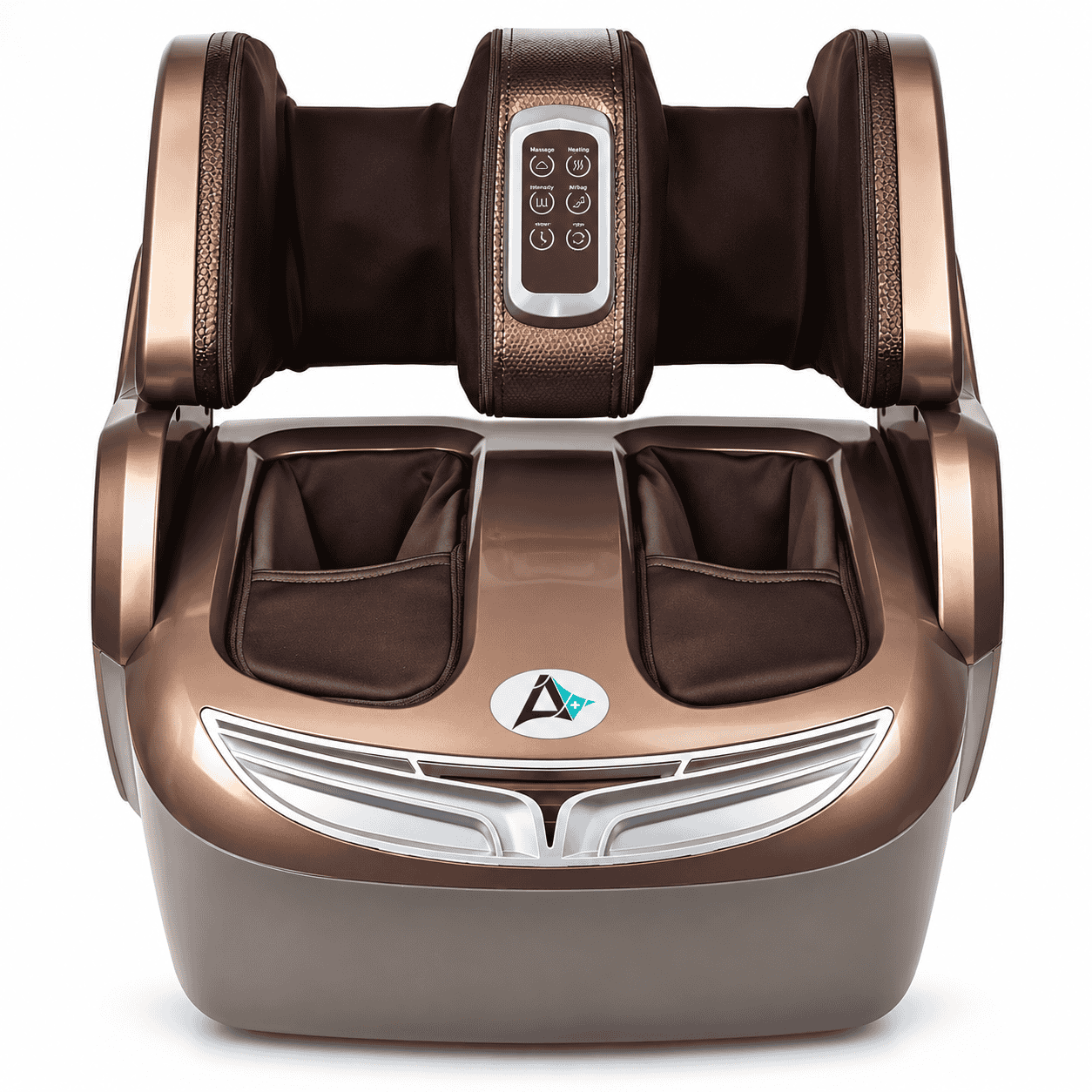
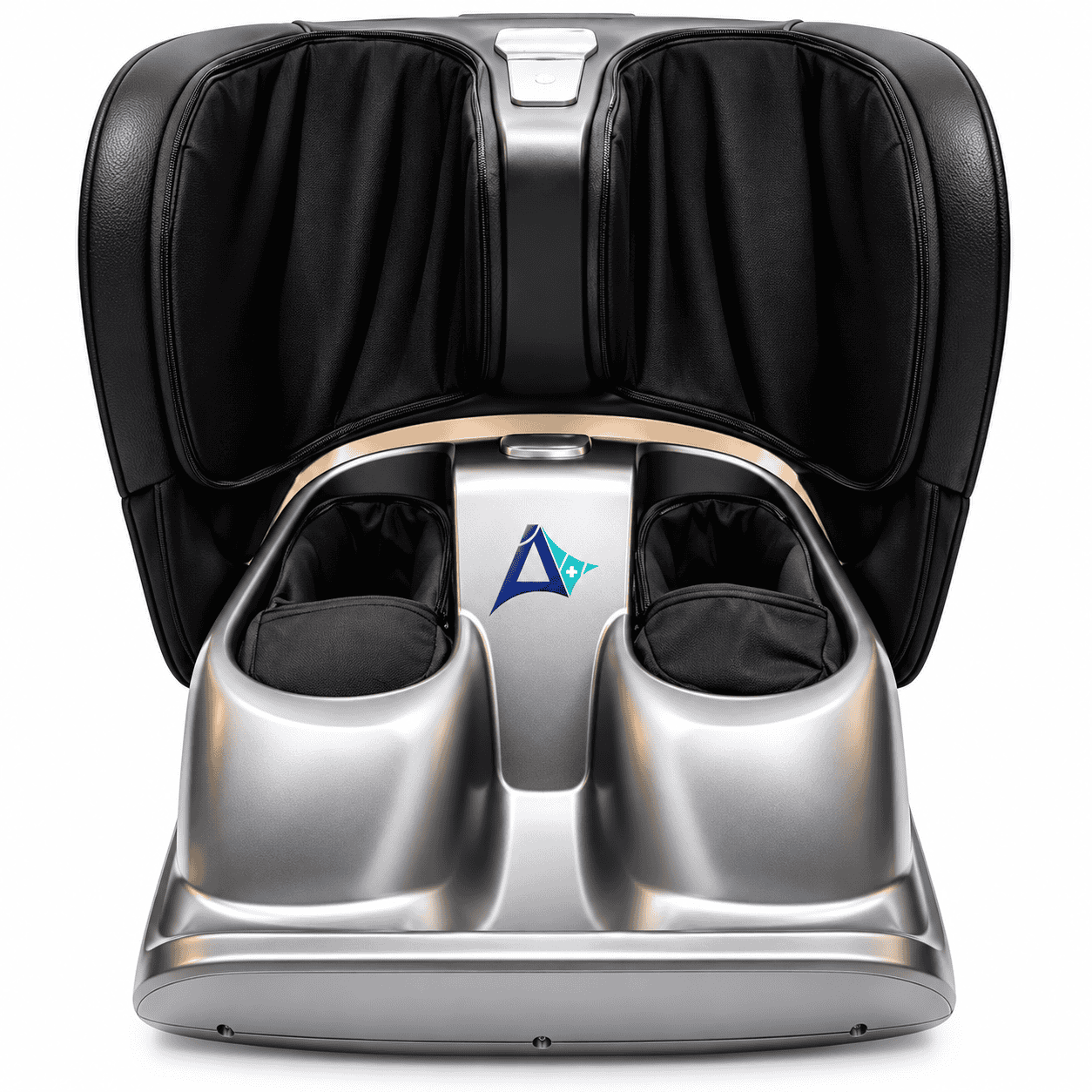
Using a sequential pneumatic leg massager with carbon fiber thermotherapy (42°C) for 15 to 20 minutes before bedtime breaks the cycle of nocturnal cramps through 3 mechanisms:
- Thermal Muscle Spindle Desensitization: Warm heat lowers resting muscle tone, relaxing hyper-excitable sensory muscle spindles and Golgi tendon organs that trigger sudden spasms.
- Metabolic Byproduct Clearance: Rhythmic ascending compression expels stagnant venous blood and pooled metabolic acids that accumulate in dependent calf muscles after sitting or standing all day.
- Passive Muscle Elongation: The circumferential inflation of pneumatic chambers exerts gentle longitudinal stretching on calf muscle fibers, preventing them from shortening and knotting during sleep.
Frequently Asked Questions
When is the best time to use a leg massager for nocturnal cramps?
Physicians recommend a 20-minute heated session approximately 30 to 45 minutes before going to bed, followed by drinking half a glass of warm water.
Is it safe to use during an active cramp?
During an acute, locked spasm, immediately dorsiflex your foot (pull toes toward your shin) to manually stretch the muscle. Once the acute spasm passes, engage low gentle heat on your massager to soothe residual stiffness.
The physiological insights and recommendations provided in this publication are intended for educational and wellness guidance only. They do not constitute formal medical diagnosis or prescription. Individuals diagnosed with deep vein thrombosis (DVT), severe osteopenia, active phlebitis, or pacemakers must obtain clinical clearance from their consulting physician or orthopedic specialist before initiating mechanized percussive or pneumatic therapy.
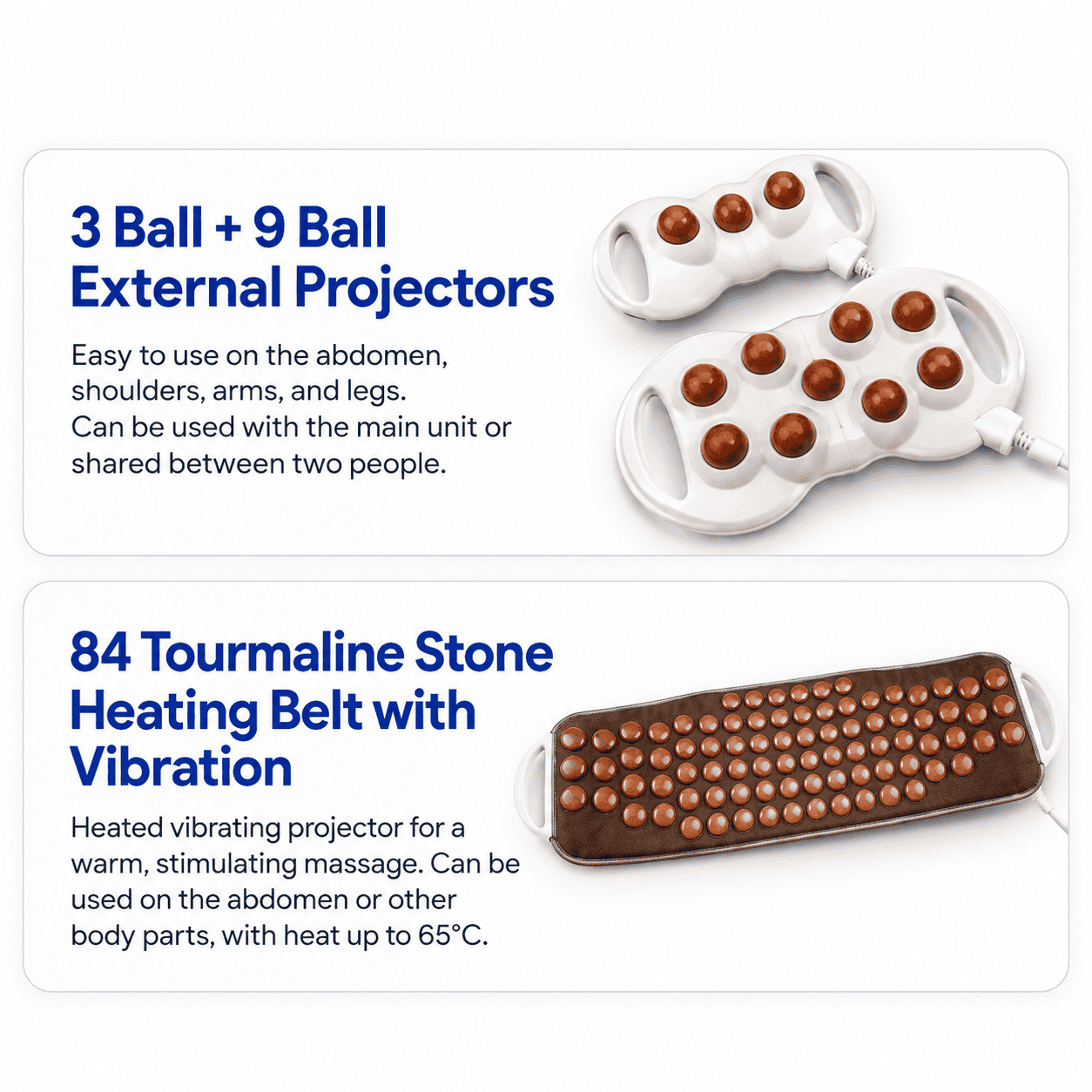
Clinically Engineered Equipment for this Protocol
Explore Related Clinical Guides
Experience Pain Relief in Your Living Room
Invest in medical-grade relaxation equipment trusted by over 25,000+ Indian households. Doorstep delivery across 20,000+ pincodes with 0% EMI and free live video demonstration.