Pregnancy Swollen Feet & Heavy Legs: Safe Trimester Guidelines for Pneumatic Massagers in India
Clinical Wellness Consultant • Reviewed on 04 Oct 2026
Over 80% of expectant Indian mothers experience lower extremity gestational edema during their second and third trimesters. Here is the clinical guide on safe pneumatic pressure limits, acupoint avoidance, and soothing swollen ankles.
During pregnancy, a woman's body undergoes massive physiological transformations: blood volume expands by up to 50%, circulating progesterone relaxes vascular smooth muscle walls, and the expanding gravid uterus exerts physical mechanical pressure on the inferior vena cava and iliac veins. This venous congestion slows blood return from the lower extremities, forcing plasma fluid into surrounding interstitial tissues—a condition termed physiological gestational edema.
By the late second and third trimesters, expectant mothers frequently experience heavy, throbbing calves, swollen ankles, and severe arch ache after standing. While gentle massage is deeply therapeutic, pregnancy demands strict safety protocols regarding acupoint stimulation and mechanical pressure.
Obstetric Safety Protocols: Acupoints to Strictly Avoid
Traditional reflexology identifies specific pressure points that have the potential to stimulate uterine contractions and must be strictly avoided or treated with zero focal pressure during pregnancy:
- Spleen 6 (Sanyinjiao): Located approximately four finger-breadths directly above the tip of the inner ankle bone. This point stimulates pelvic blood flow and uterine tone; hard mechanical rollers must never dig into this area.
- Bladder 60 (Kunlun): Located in the depression between the outer ankle bone and the Achilles tendon. Used in late labor to assist cervical dilation; avoid deep acupressure during early trimesters.
- Bladder 67 (Zhiyin): Located on the outer corner of the pinky toe nail bed.
Why Soft Air Compression is Safer Than Hard Plantar Rollers
Because deep invasive rollers risk triggering sensitive reflexology points, obstetricians strongly advise against aggressive mechanical roller machines during pregnancy. Instead, gentle sequential air compression boots (such as AyuPragya AirFlex AYP-842) wrap softly around the calf and foot, exerting broad, distributed pressure that mimics manual lymphatic drainage without localized nerve or acupoint pinching.
Maternal Health Safety Checklist
- Consult Your Gynaecologist First: Always verify that your swelling is benign gestational edema and not a sign of pre-eclampsia (high blood pressure and protein in urine) or deep vein thrombosis.
- Use Lowest Pressure Mode: Select gentle air compression (under 40 mmHg) and limit sessions to 15 minutes.
- Turn Off Intense Heat: Keep thermal heating off or on lowest lukewarm setting (below 38°C) to prevent core body temperature elevation.
The physiological insights and recommendations provided in this publication are intended for educational and wellness guidance only. They do not constitute formal medical diagnosis or prescription. Individuals diagnosed with deep vein thrombosis (DVT), severe osteopenia, active phlebitis, or pacemakers must obtain clinical clearance from their consulting physician or orthopedic specialist before initiating mechanized percussive or pneumatic therapy.
Clinically Engineered Equipment for this Protocol
 38% OFF
4.8
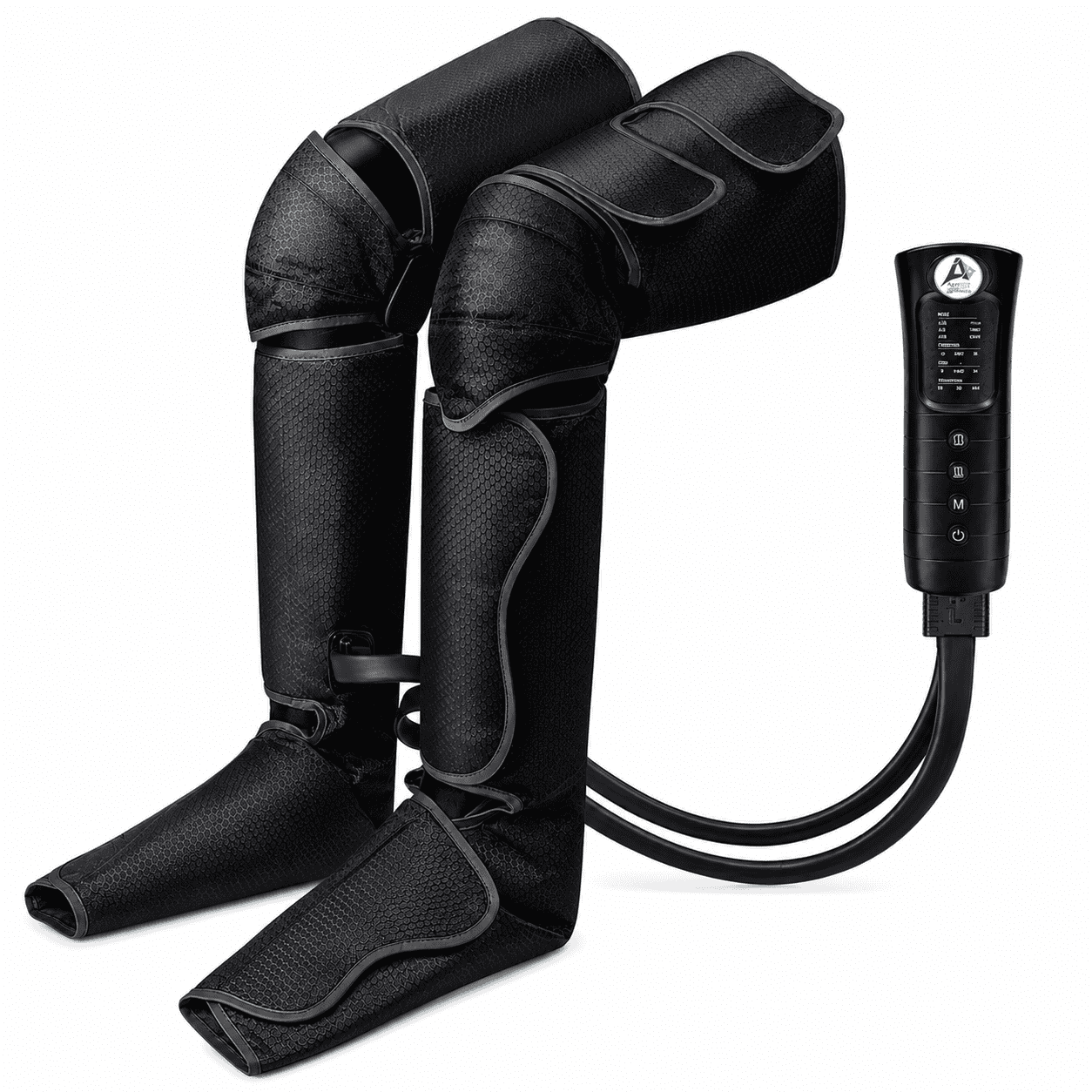
Leg Massager Machine for Calf Pain, Varicose Veins and Lymphedema Relief - AyuPragya Full Air Compression Leg Recovery AYP 800
Official 1-3 Yr Warranty
 37% OFF
4.8
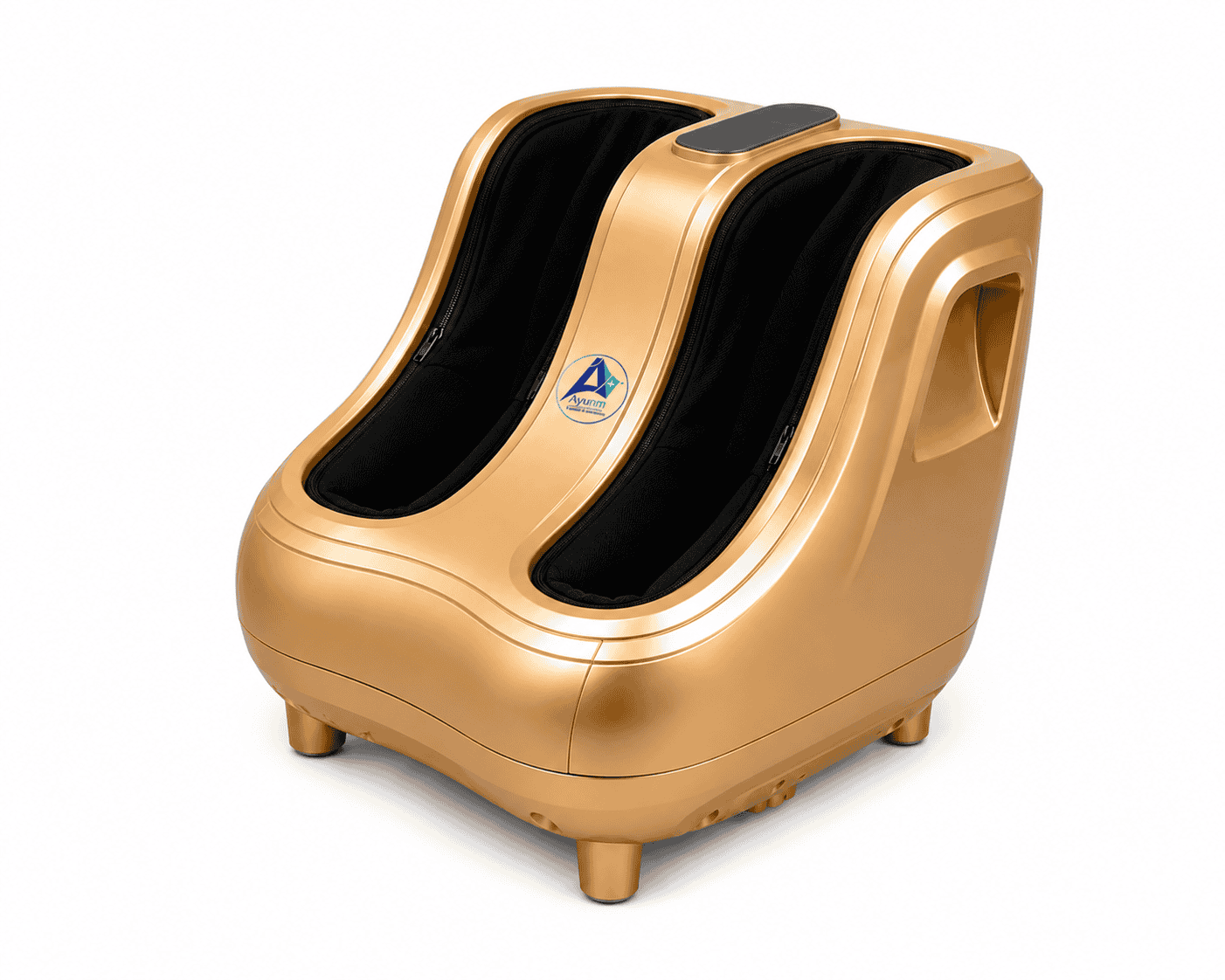
Leg and Foot Massager for Diabetic Neuropathy Pain, Foot Therapy and Blood Circulation - AyuPragya Premium Gold AYP 724
Official 1-3 Yr Warranty
 31% OFF
4.8
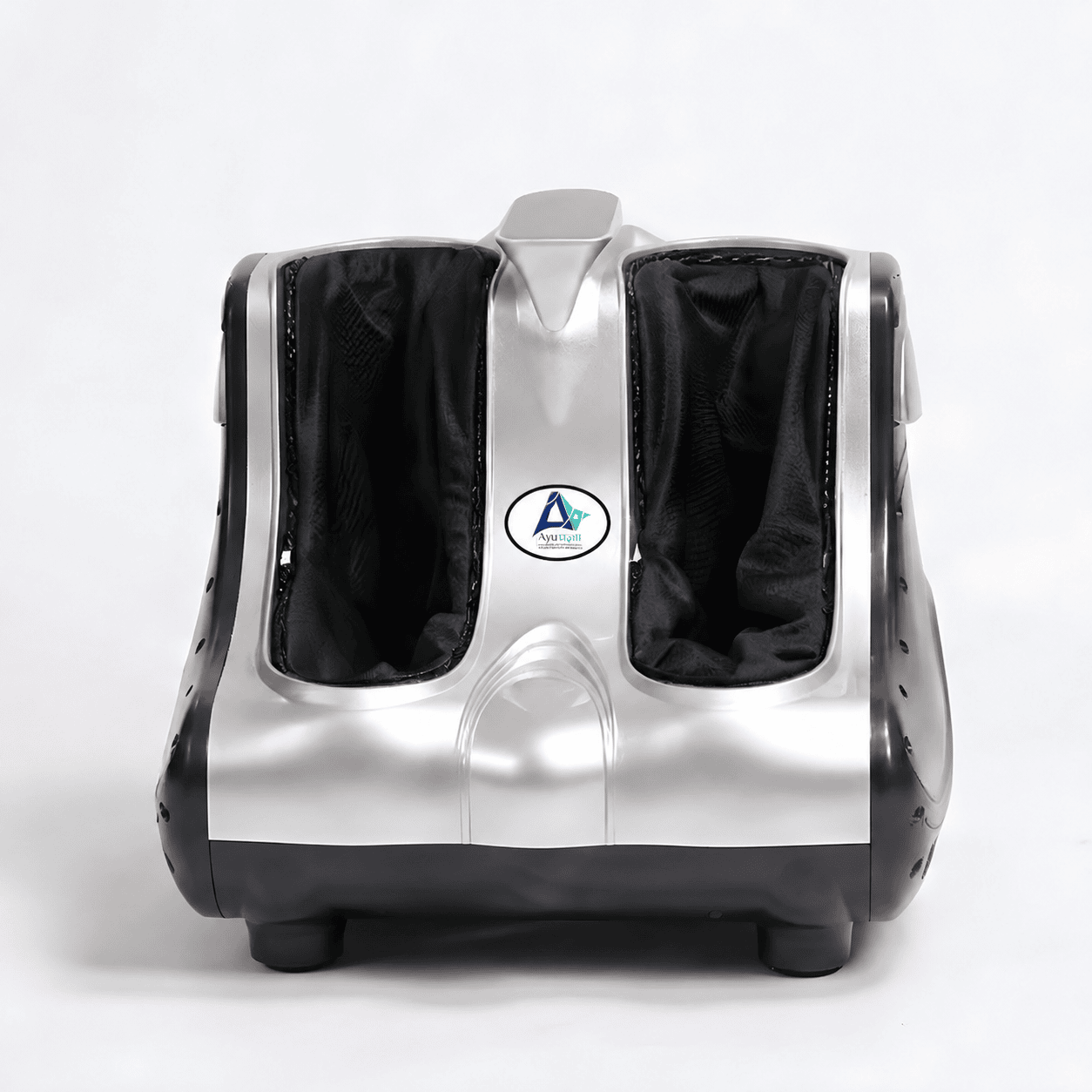
Leg and Foot Massager for Foot Pain Relief, Shiatsu Massage and Blood Circulation - AyuPragya Silver AYP 725
Official 1-3 Yr Warranty
Explore Related Clinical Guides
Experience Pain Relief in Your Living Room
Invest in medical-grade relaxation equipment trusted by over 25,000+ Indian households. Doorstep delivery across 20,000+ pincodes with 0% EMI and free live video demonstration.