
How to Clean, Sanitize and Maintain PU Leather Massage Chairs in the Indian Climate
Clinical Wellness Consultant • Reviewed on 04 Oct 2026

India’s tropical climate—marked by severe summer perspiration and intense monsoon humidity—can degrade lower-quality synthetic vinyl. Here is how medical-grade breathable PU leather should be cleaned and protected for a 10-year lifespan.
Luxury full-body massage chairs utilize specialized Medical-Grade Microfiber PU (Polyurethane) Leather rather than raw animal hide. This synthetic material is chosen purposefully because it possesses high tensile elasticity to flex under rolling mechanism friction, resists sweat acid, and allows embedded carbon heating elements to radiate warmth safely.
However, in Indian metropolitan centers where summer temperatures exceed 42°C and coastal monsoon humidity reaches 90%, improper cleaning can strip the protective polyurethane topcoat, leading to surface cracking and premature peeling.
The 4 Golden Rules of PU Leather Maintenance
- Wipe Down After Perspiration: Always wipe the headrest, neck pillow, and backrest cushion with a dry or lightly damp microfiber cloth after intense heated massage sessions to remove corrosive body salts.
- Never Use Harsh Solvents: Strictly avoid cleaning products containing alcohol, acetone, bleach, ammonia, or dishwashing liquids. These chemical solvents dissolve the flexible plasticizers in PU leather, causing rapid embrittlement.
- Use pH-Neutral Water-Based Leather Conditioners: Every 3 to 4 months, apply a quarter-sized drop of water-based synthetic leather protectant to preserve supple elasticity.
- Maintain Distance from Direct Sunbeams: Position the chair away from uncurtained west-facing windows. Prolonged ultraviolet (UV) radiation breaks down polymer molecular chains.
The physiological insights and recommendations provided in this publication are intended for educational and wellness guidance only. They do not constitute formal medical diagnosis or prescription. Individuals diagnosed with deep vein thrombosis (DVT), severe osteopenia, active phlebitis, or pacemakers must obtain clinical clearance from their consulting physician or orthopedic specialist before initiating mechanized percussive or pneumatic therapy.
Clinically Engineered Equipment for this Protocol
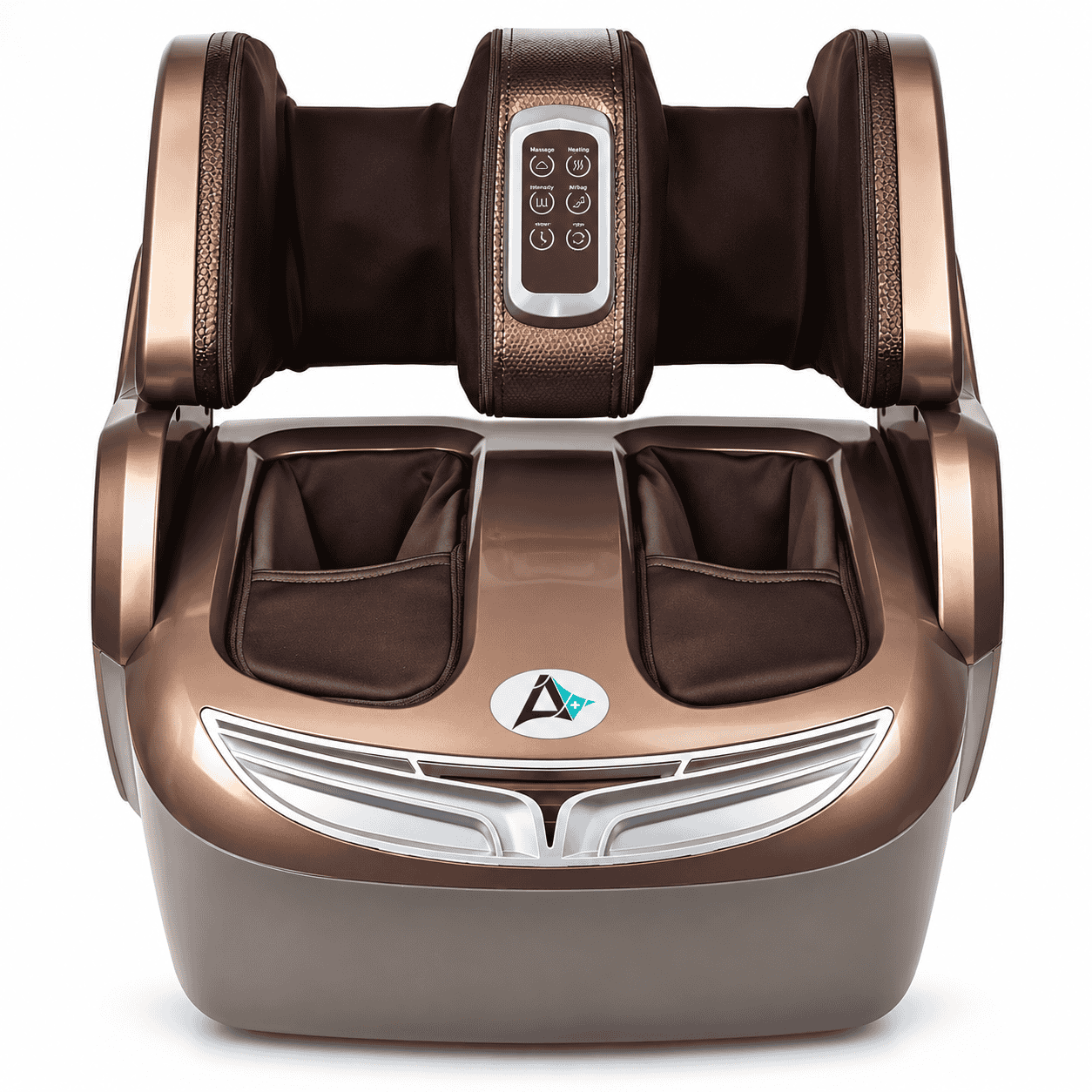
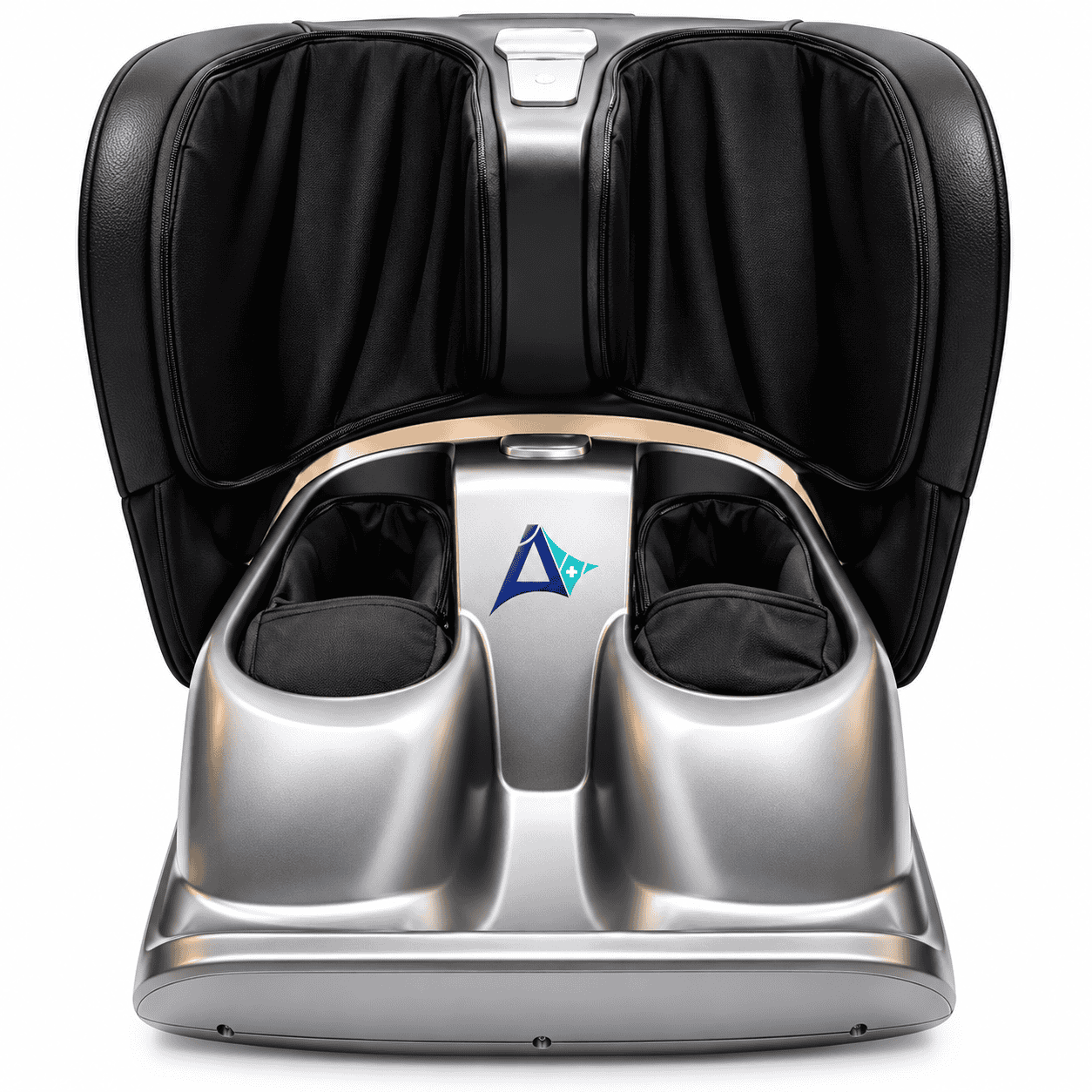
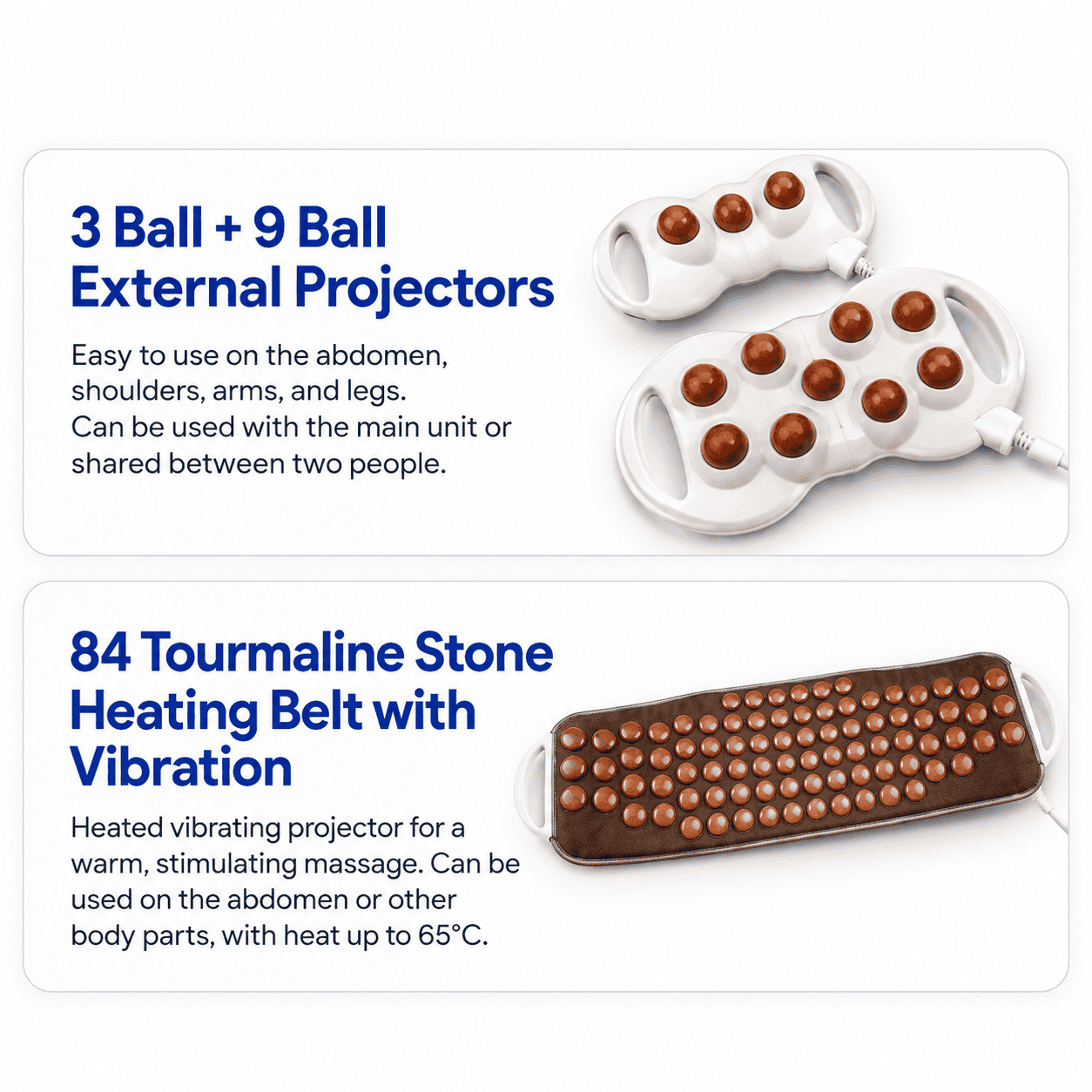
Explore Related Clinical Guides
Experience Pain Relief in Your Living Room
Invest in medical-grade relaxation equipment trusted by over 25,000+ Indian households. Doorstep delivery across 20,000+ pincodes with 0% EMI and free live video demonstration.